
Hagan-Graham Creeks
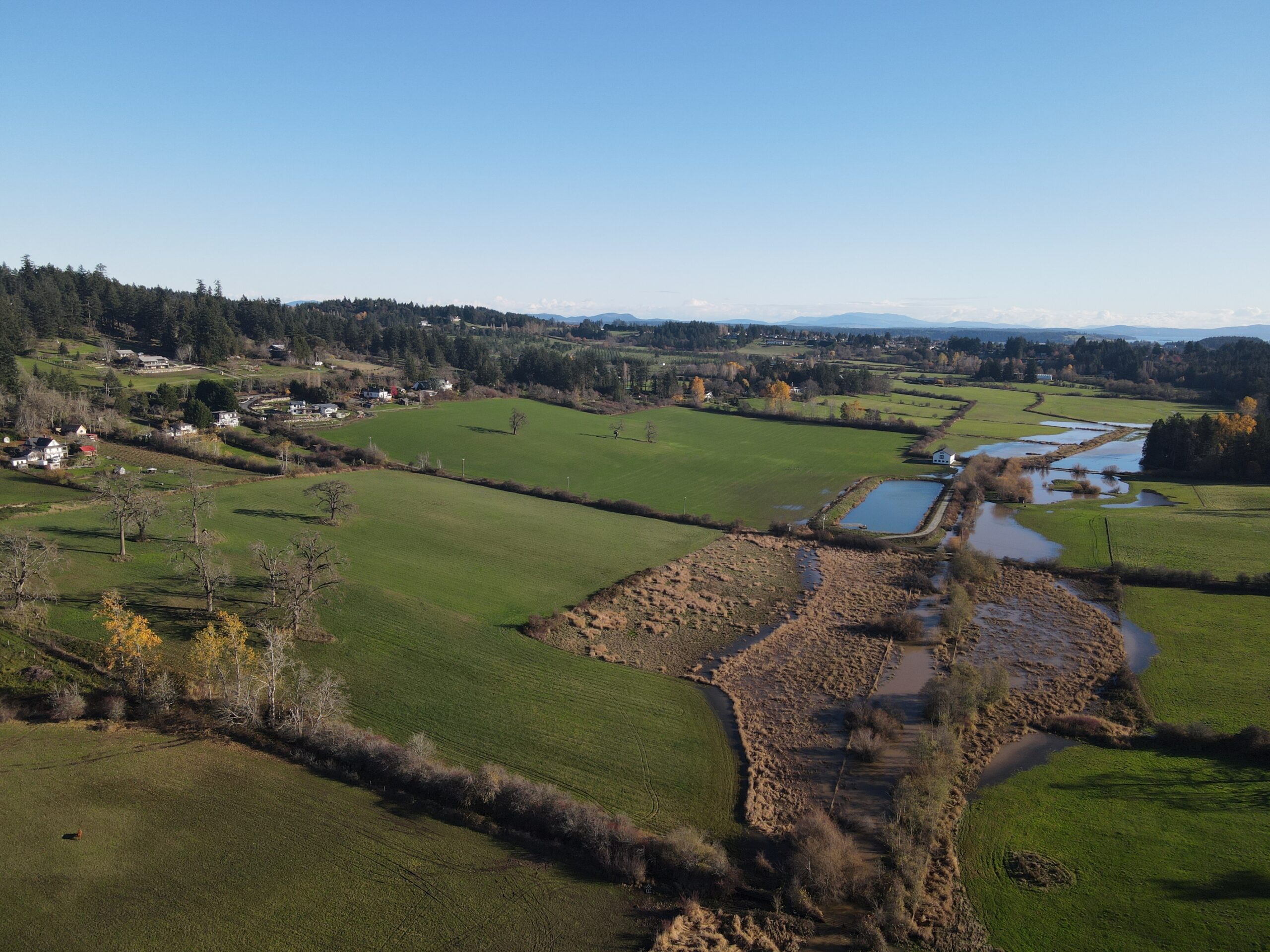
The Hagan-Graham Watershed is one of the largest watersheds on the Saanich Peninsula, spanning almost half of Central Saanich. The watershed is made up of two main streams, Hagan Creek, which has several small tributaries and originates in the north from Mt. Newton, and Graham Creek, which originates just south of the Central Saanich border in the area between West Saanich Rd and Old West Saanich Rd. The two creeks connect two kilometres upstream of Saanich Inlet.
The creeks once flowed through old-growth Douglas fir forests and biologically-rich wetlands on its way to Saanich Inlet. Over the past 100 years, these conditions steadily disappeared, as forests were cleared and the stream was straightened for more rapid drainage. As stream health declined, so did the presence of fish. Today, the watershed continues to be impacted by a variety of human uses, including industry and agriculture. Consistently high pollution levels from heavy metals, hydrocarbons, and fecal coliforms have been measured from a culvert that drains the west side of the Keating industrial area.
Restoration Work
In 1997, Peninsula Streams & Shorelines (PSS) formed a partnership with the University of Victoria, the Institute of Ocean Sciences, Woodwynn Farms, and Tsartlip First Nation to undertake restoration of Hagan-Graham Creeks.
In cooperation with the District of Central Saanich, PSS constructed pools and riffles and stabilized the banks of Graham Creek as it flows through Centennial Park. Trails along the creek were also fenced to prevent trampling of the banks and allow riparian vegetation to recover. Within a year of completing the work, cutthroat trout and other native species had returned to the restored reach.
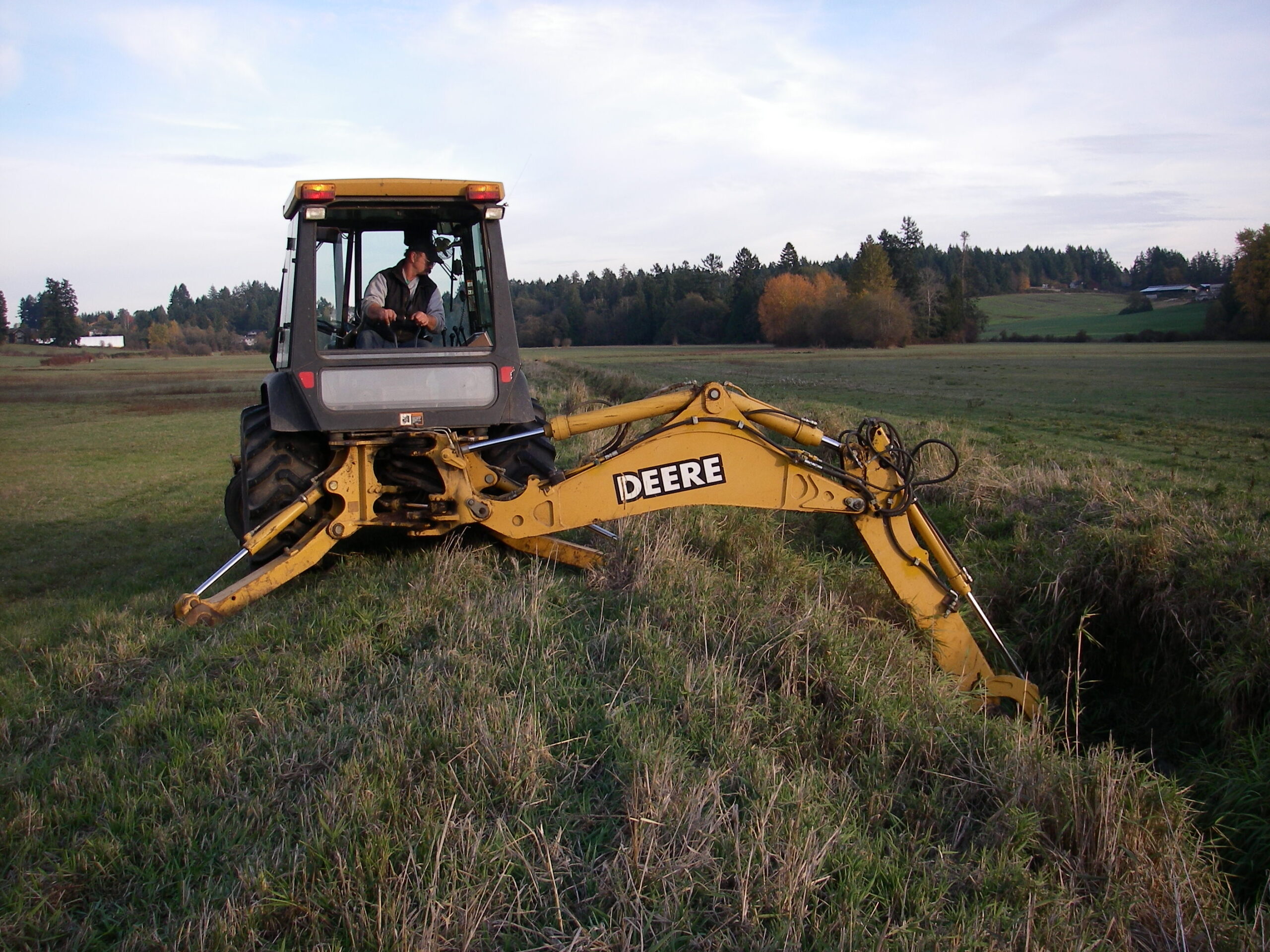
In Hagan Creek, pools and riffles were constructed to encourage more natural stream meanders, while riparian areas were fenced and replanted with native trees and shrubs. More recently, restoration efforts have focused on a one-kilometre stretch of the creek in the upper Mount Newton Valley(opens in new tab), where it flows through farmland recently returned to the Tsartlip First Nation. This site, named MÁW̱UEĆ and part of the multi-phase ḰENNES Watershed Restoration Project, has included extensive stream, riparian, floodplain, and wetland restoration.
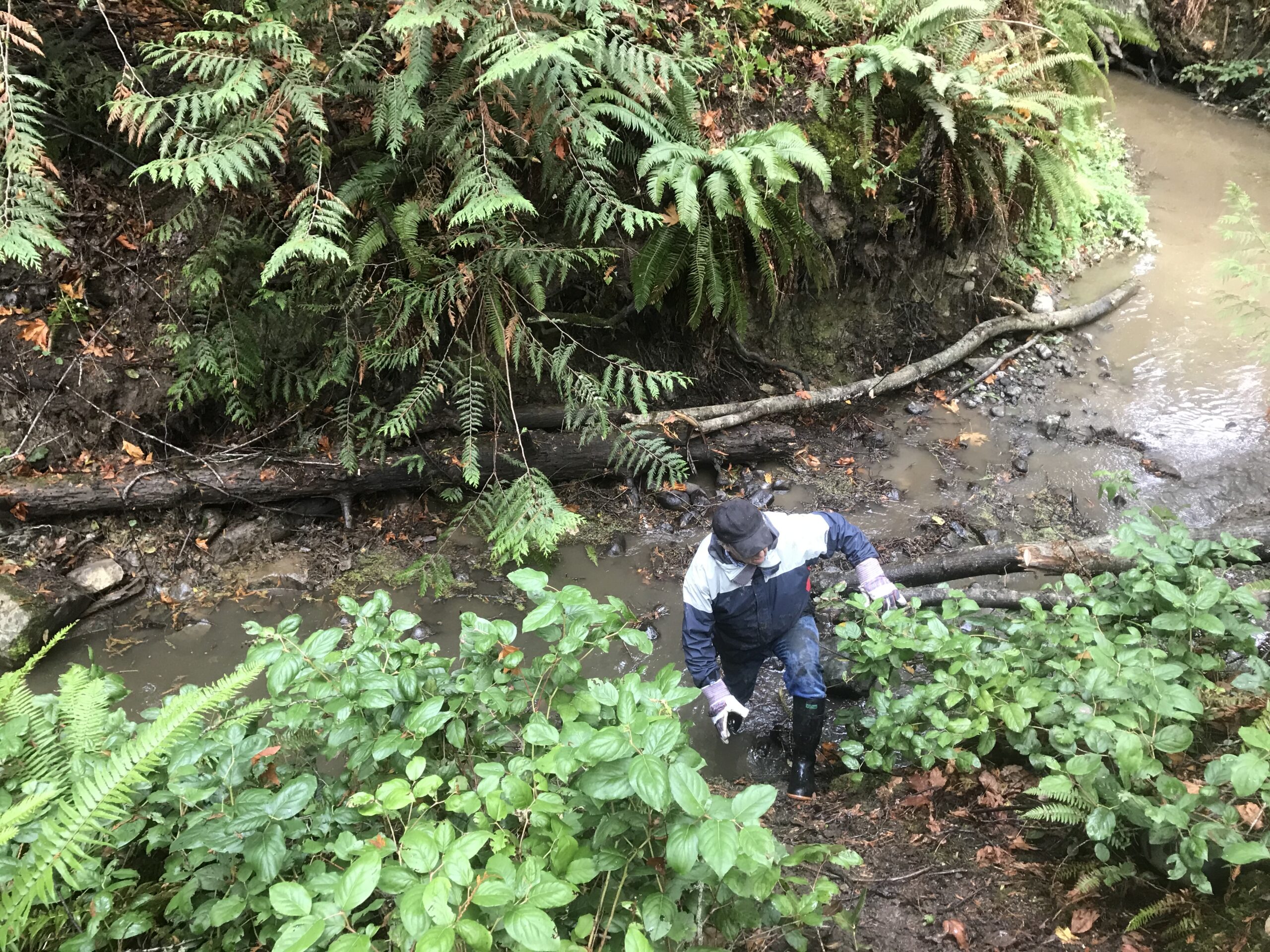
Long-term monitoring remains an important part of PSS’ work in the Hagan-Graham Watershed. Since 2005, volunteers, the Hagan-KENNES Stewardship Initiative, and the District of Central Saanich have conducted monthly water quality sampling at six stations. This monitoring helps track changes in watershed health, identify emerging concerns, and inform future stewardship. Results have shown improvements over time in several parameters, including cadmium, lead, zinc, phosphorus, orthophosphate, nitrite, ammonia, and polycyclic aromatic hydrocarbons (PAHs), as well as reductions in some turbidity and low dissolved oxygen events. However, elevated concentrations and guideline exceedances for copper, iron, phosphorus, hydrocarbons, fecal coliforms, and several sediment-associated metals continue to occur, highlighting the need for continued monitoring and watershed stewardship.