MÁW̱UEĆ
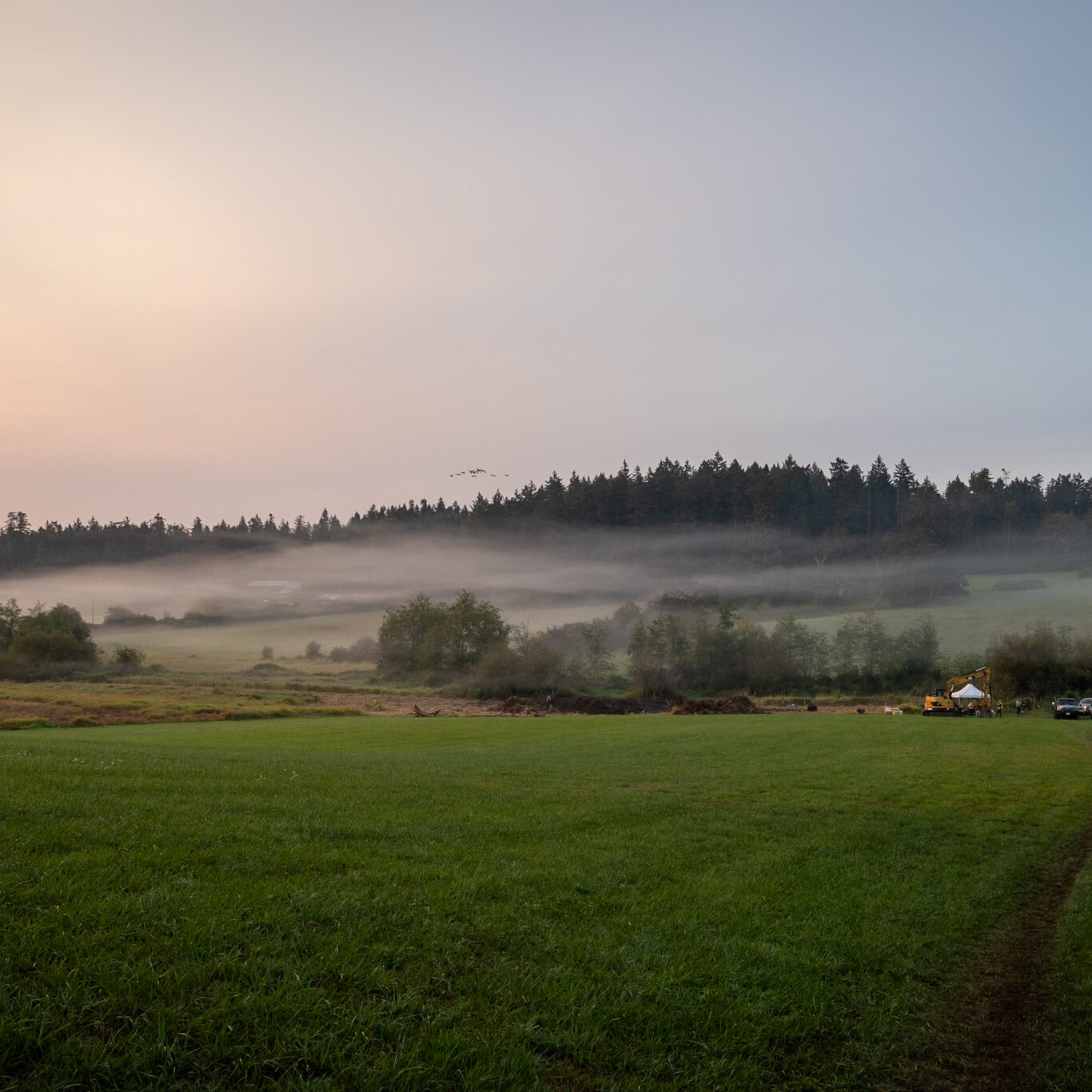
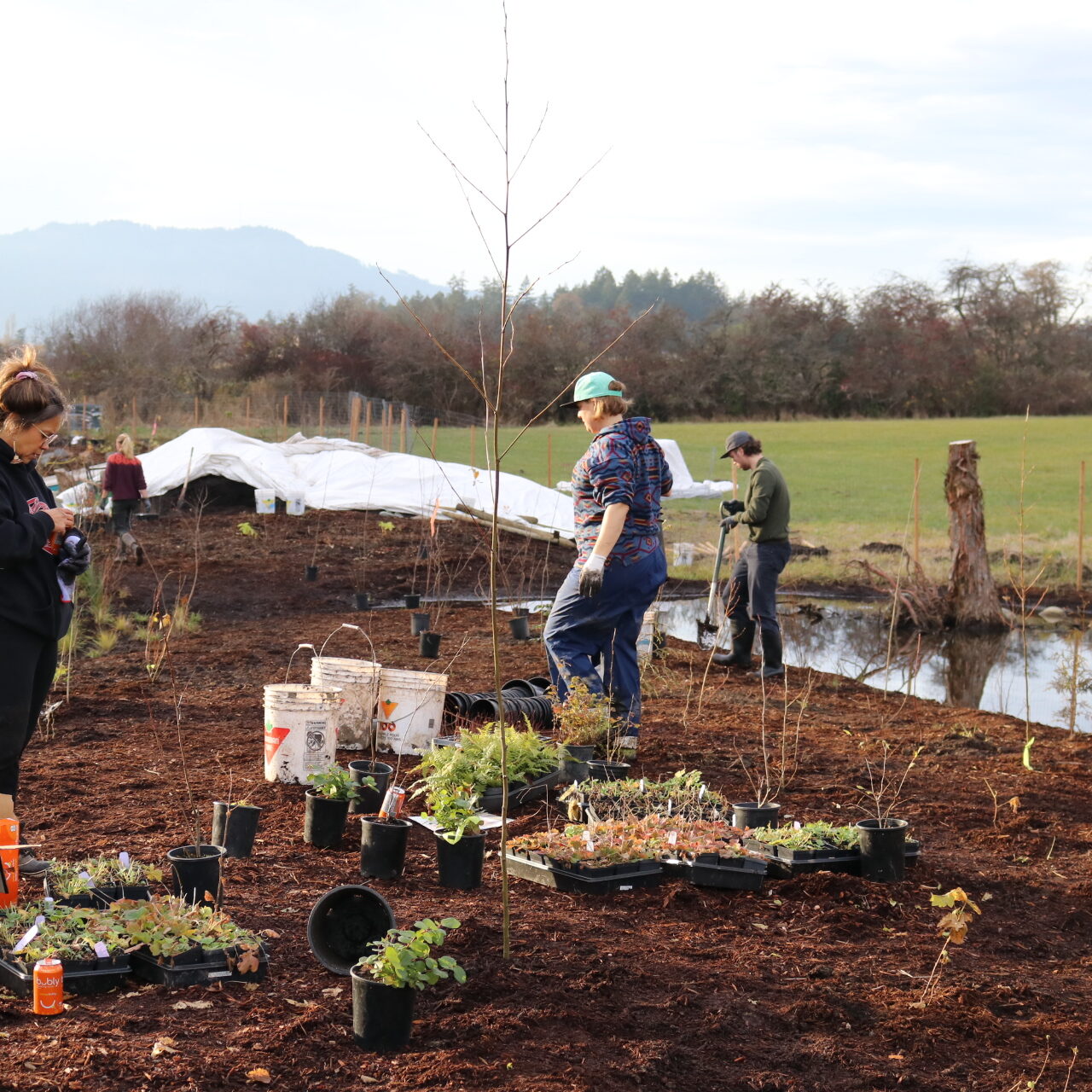
The ḰENNES Watershed Restoration Project is a multi-phase initiative led by W̱JOȽEȽP (Tsartlip First Nation) in partnership with Peninsula Streams & Shorelines. It focuses on restoring vital ecosystems, including riparian, wetland, stream, and Garry oak meadow habitats, on the 78 hectare MÁW̱UEĆ property, recently returned to Tsartlip. Ecologically, the project restores degraded habitats to support native species, including a genetically isolated strain of coastal cutthroat trout, while improving water quality, enhancing biodiversity, and building climate resilience. Culturally, the project reconnects W̱SÁNEĆ peoples with traditional lands, practices, and harvesting opportunities by integrating Indigenous Knowledge and supporting the revitalization of traditional foods and medicines. Community engagement is central to the work, with youth and the broader community participating in hands-on restoration activities that foster stewardship, shared responsibility, and long-term care for the watershed.
MÁW̱UEĆ, formerly known as Woodwynn Farms, has a deep history of resilience and reclamation. The agricultural property lies within the ancestral W̱JOȽEȽP village site and is situated in the ḰENNES Creek (Hagan-Graham) Watershed, a place where Tsartlip ancestors once fished and gathered medicines. After BC Housing purchased the unceded land in 2018 without consultation, Tsartlip First Nation began a determined journey to reclaim and restore MÁW̱UEĆ. Following years of advocacy and negotiation, the Nation reached a settlement with the Province in 2020, leading to the official acquisition of the property later that year.
Since then, Tsartlip has worked to heal both the land and the community’s connection to it. The Nation’s Stewardship Department has led environmental remediation and riparian restoration along ḰENNES Creek, while community consultations continue to shape the long-term vision for MÁW̱UEĆ. These efforts are part of Tsartlip’s broader goal to see the land added to reserve status, ensuring self-determined stewardship rooted in W̱SÁNEĆ values.
As ecological restoration advances, the work at MÁW̱UEĆ represents far more than habitat recovery—it is a process of cultural renewal and empowerment. The ḰENNES Watershed Restoration Project builds on this foundation, helping restore the health of the watershed while supporting food security, traditional plant harvesting, and renewed relationships between people and place. Through these efforts, MÁW̱UEĆ is once again becoming a living classroom, a refuge for biodiversity, and a source of strength for future generations.
Phase 1
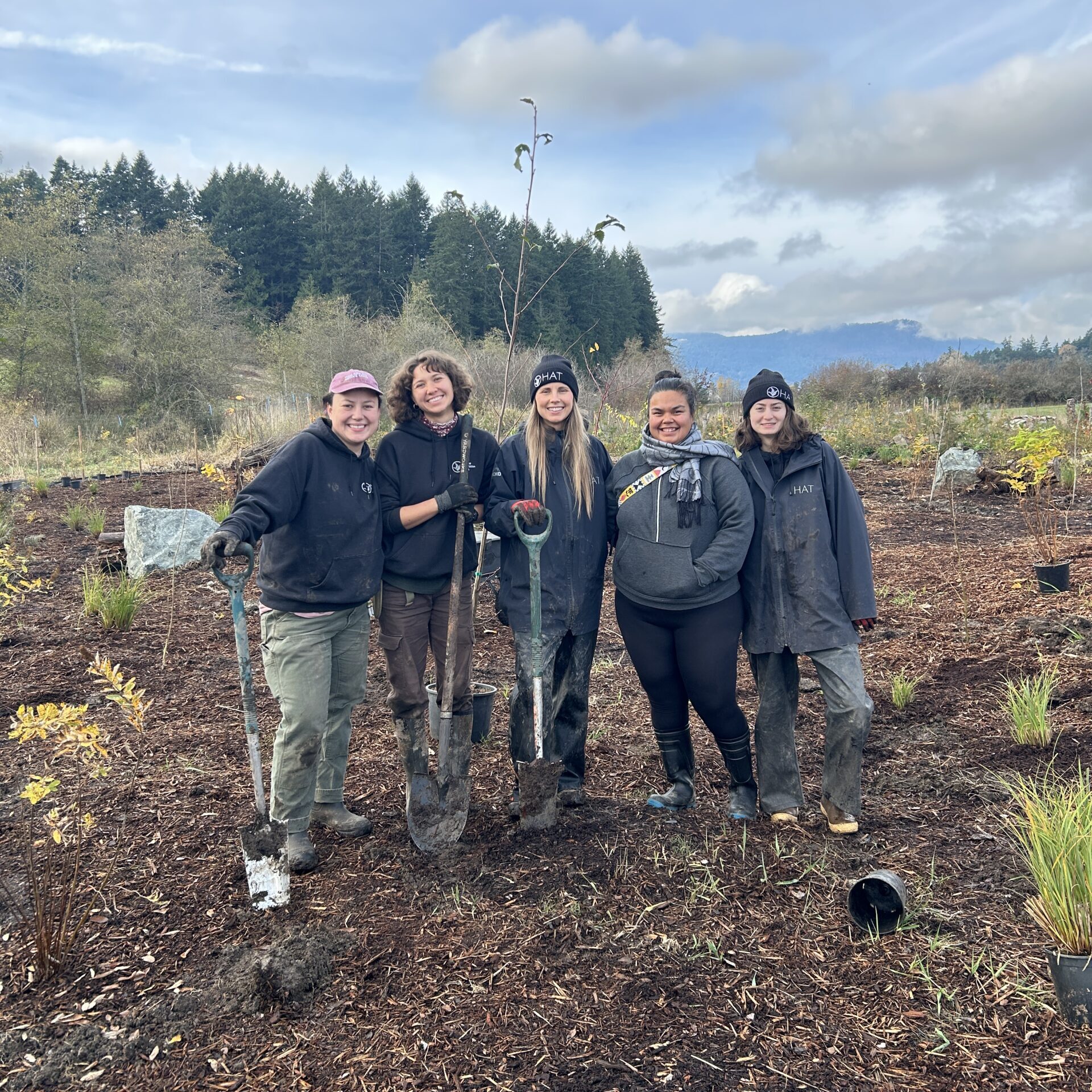
Phase 1, completed in 2024, restored over 6,000 m² of stream, floodplain, and riparian habitat on the MÁW̱UEĆ property. Activities included instream restoration, off-channel habitat creation, riparian planting, invasive species removal, and community engagement. More than 40 community events engaged volunteers in over 700 hours of hands-on restoration work, with more than 5,000 native plants installed.
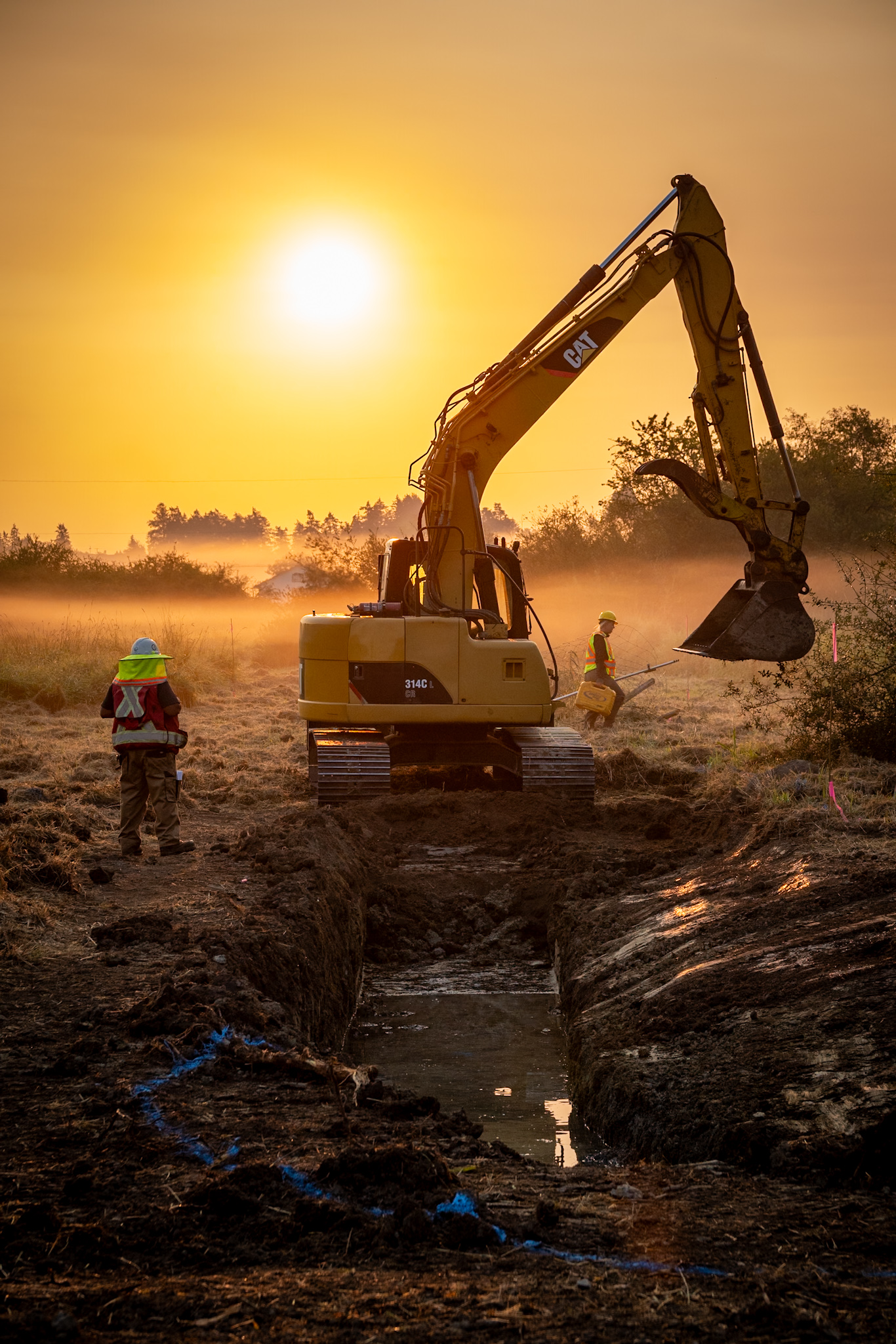
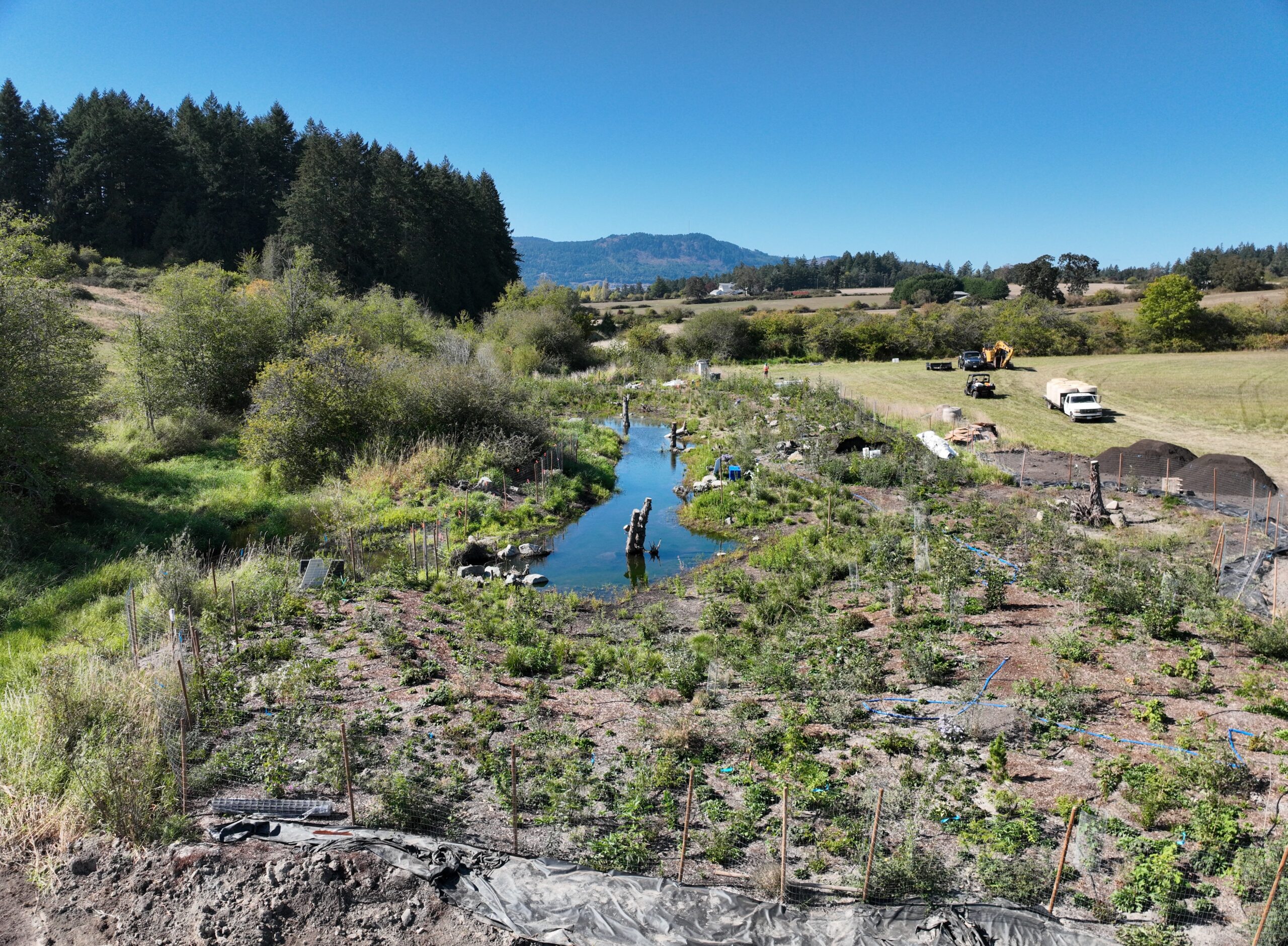

"The story of MÁW̱UEĆ, a traditional territory of the Tsartlip First Nation, is one of resilience and determination." - Tsartlip First Nation
Phase 2

Phase 2, launched in 2025, is currently restoring an additional 3,000 m². Invasive reed canary grass has been removed from this area and approximately 4,000 native plants are being installed over the fall and winter. Building on this momentum, the project aims to restore a total of ~15,000 m² over the next three years, focusing on the stream, wetlands, riparian zones, and Garry oak meadows. This work will reconnect the floodplain to improve hydrological function, enhance habitat complexity for coastal cutthroat trout and other native species, and provide spaces for culturally significant plants used in traditional W̱SÁNEĆ practices.
Learn More
News
Videos