Nymph Point Park
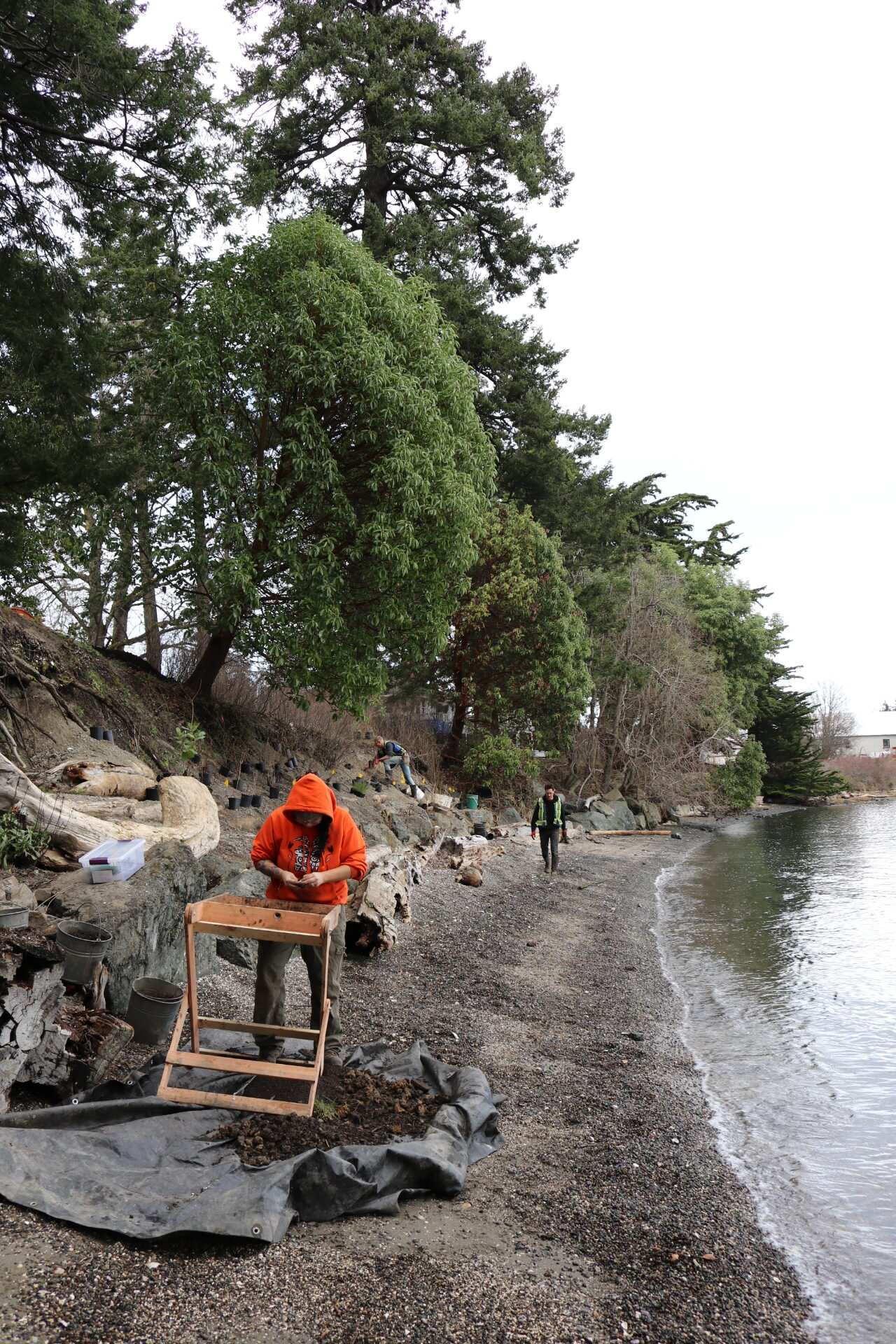
Nymph Point Park, located in Tsehum Harbour on the Saanich Peninsula, is one of the few remaining beaches in the region that continues to support significant surf smelt spawning. This forage fish species plays a critical role in the coastal food web, providing an essential food source for larger fish, seabirds, and marine mammals. Community-led monitoring efforts have consistently documented high densities of surf smelt eggs along the southwest portion of the beach, where a combination of natural sediment supply, overhanging vegetation, and minimal shoreline armouring has preserved high-quality spawning conditions.
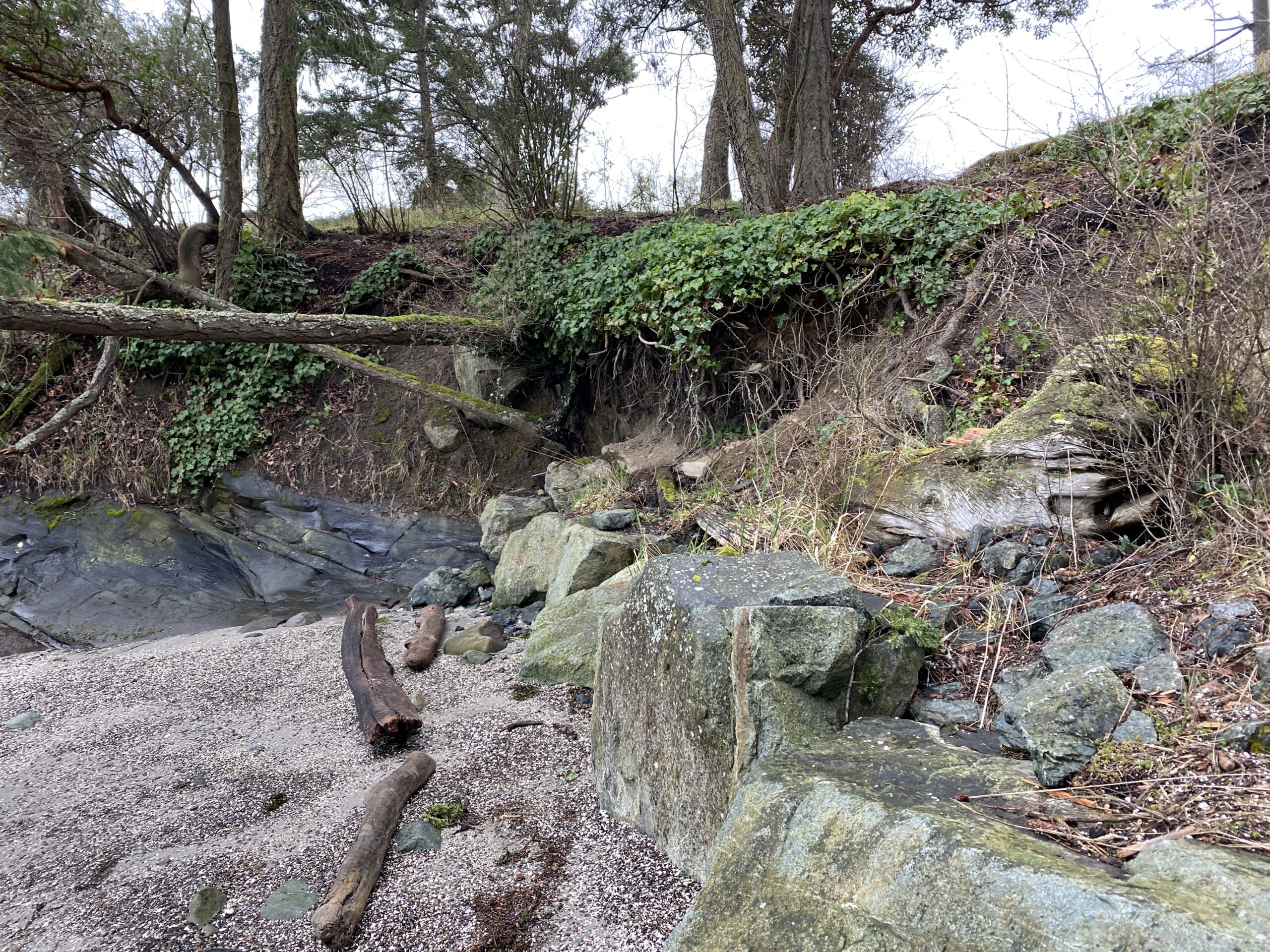
Despite these strongholds, much of the shoreline has been significantly altered over time. Coastal armouring, sediment loss, and changes to natural shoreline processes have degraded spawning habitat, particularly along the northeast section of the beach. Here, fine sediments have been replaced by heavy clay and large cobble, creating conditions unsuitable for surf smelt egg deposition. Without intervention, ongoing erosion and the continued depletion of appropriate sediments threaten to further reduce the availability of viable spawning habitat.
The Nymph Point Park Shoreline Restoration Project is a collaborative initiative aimed at reversing these impacts and restoring ecological function to the site. Led by Peninsula Streams & Shorelines in partnership with the District of North Saanich, Project Watershed, Hatchet & Seed, the Oak Bay Marine Group, AllTerra Spider Excavating Ltd., GRT Regenerock, and cultural monitors from the Tsawout First Nation and the W̱SÁNEĆ Leadership Council, the project applies Nature-based Solutions (NbS) to stabilize the shoreline, restore sediment dynamics, and enhance the marine riparian zone.
Completed in the spring of 2026, restoration efforts focused on improving sediment composition and protecting the upper beach environment to support spawning conditions for surf smelt and other coastal species. By rebuilding resilient shoreline processes and incorporating Indigenous knowledge alongside community stewardship, the project aimed to ensure that this rare and productive beach continues to sustain forage fish populations and the broader ecosystem that depends on them for generations to come.
Restoration Work
Restoration at Nymph Point Park focused on improving coastal habitat, stabilizing eroding shorelines, and protecting the ecological and cultural values of the site.
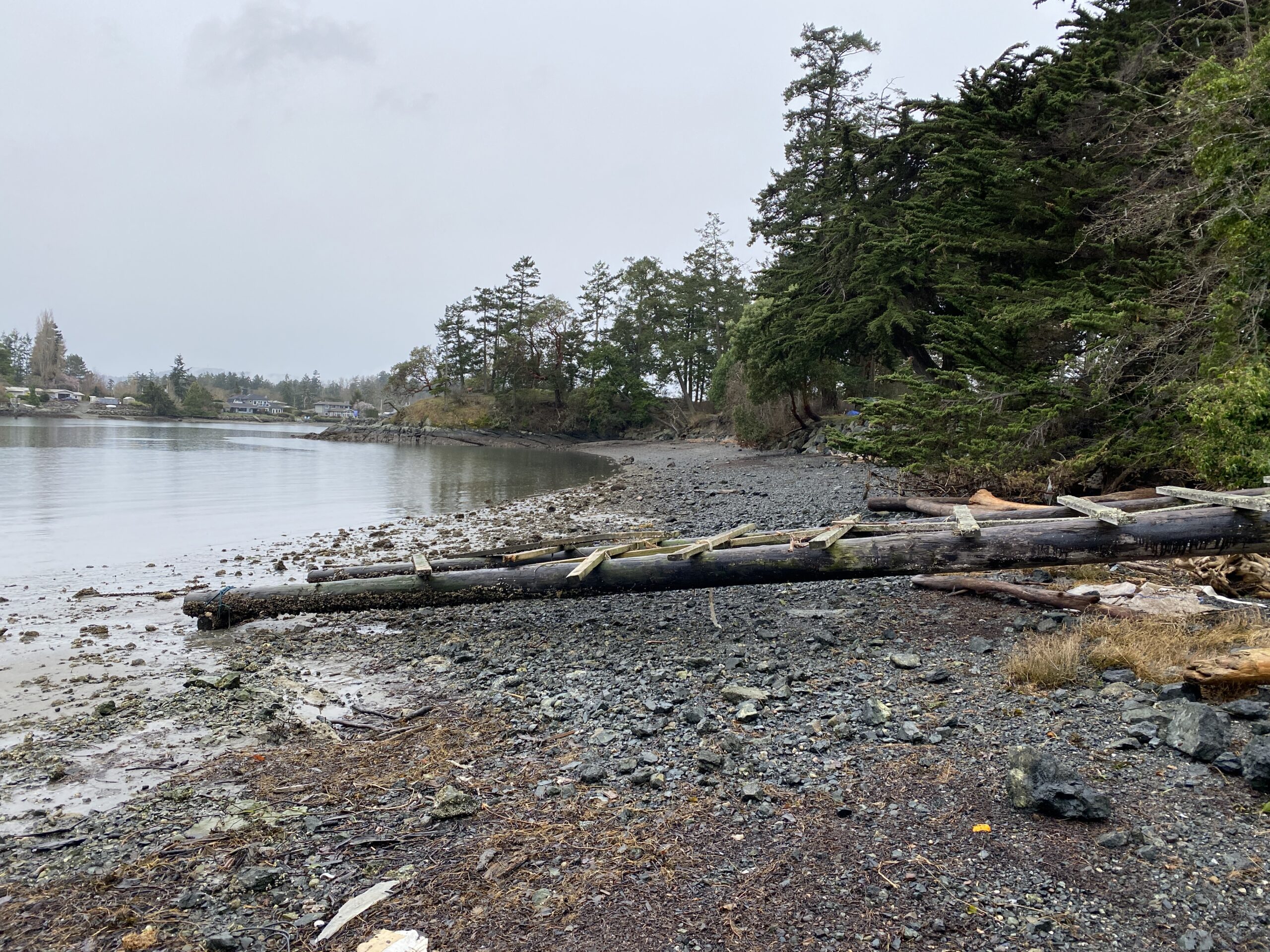
The project began by addressing legacy infrastructure and accumulated debris along the shoreline. The long-standing creosote log ramp was removed from the intertidal area, eliminating a source of contamination and improving habitat conditions for forage fish and other nearshore species. Peninsula Streams & Shorelines staff and volunteers also removed accumulated marine debris from the beach.
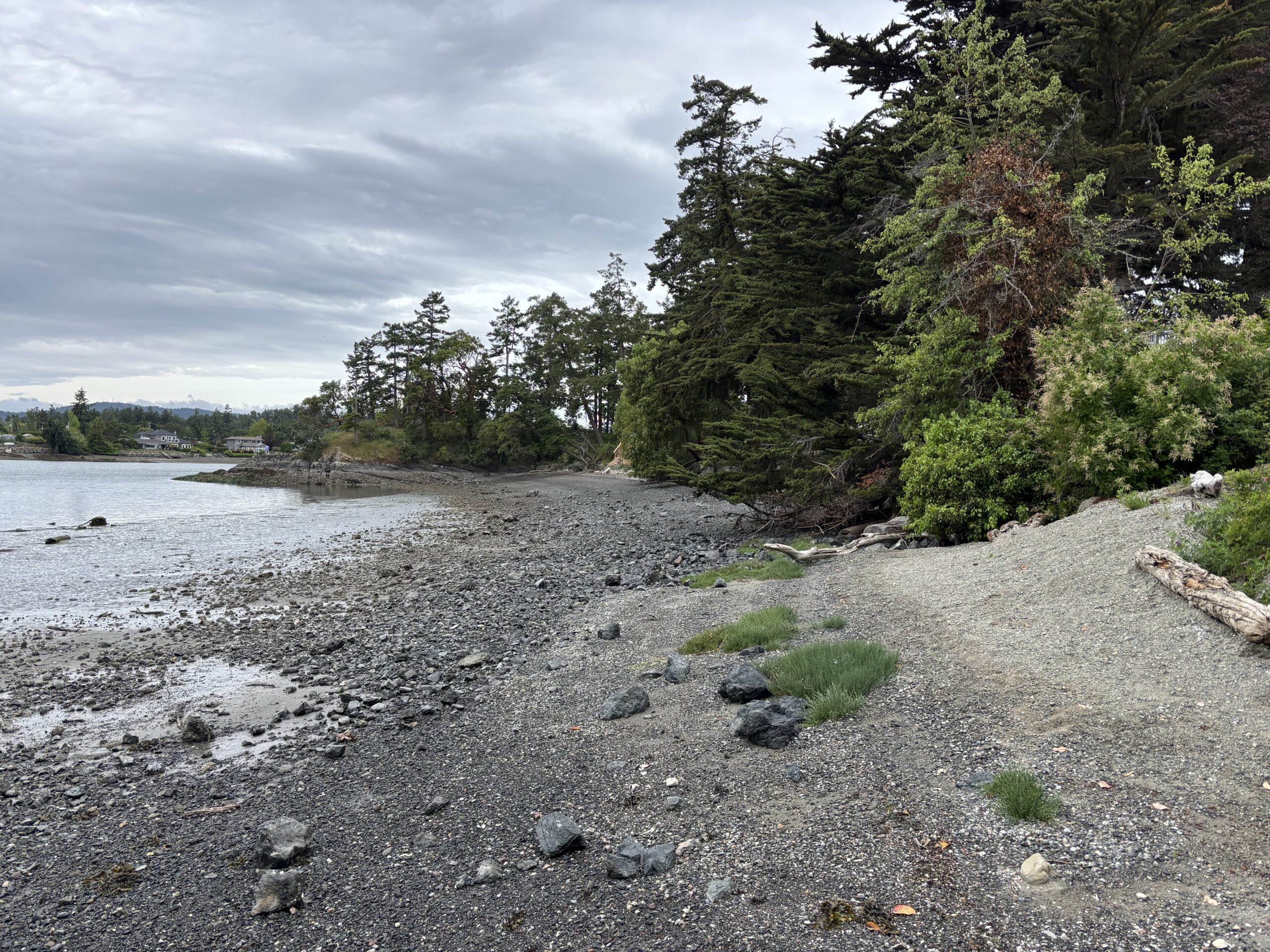
A small test section of clean, alluvial sand and gravel was placed near the former creosote log ramp to improve beach conditions and support ongoing forage fish spawning. Approximately 30 tonnes of nourishment material was also used to cap and stabilize sections of the eroding backshore, providing a source of sediment as the shoreline responds to erosion, storm events, and sea-level rise.
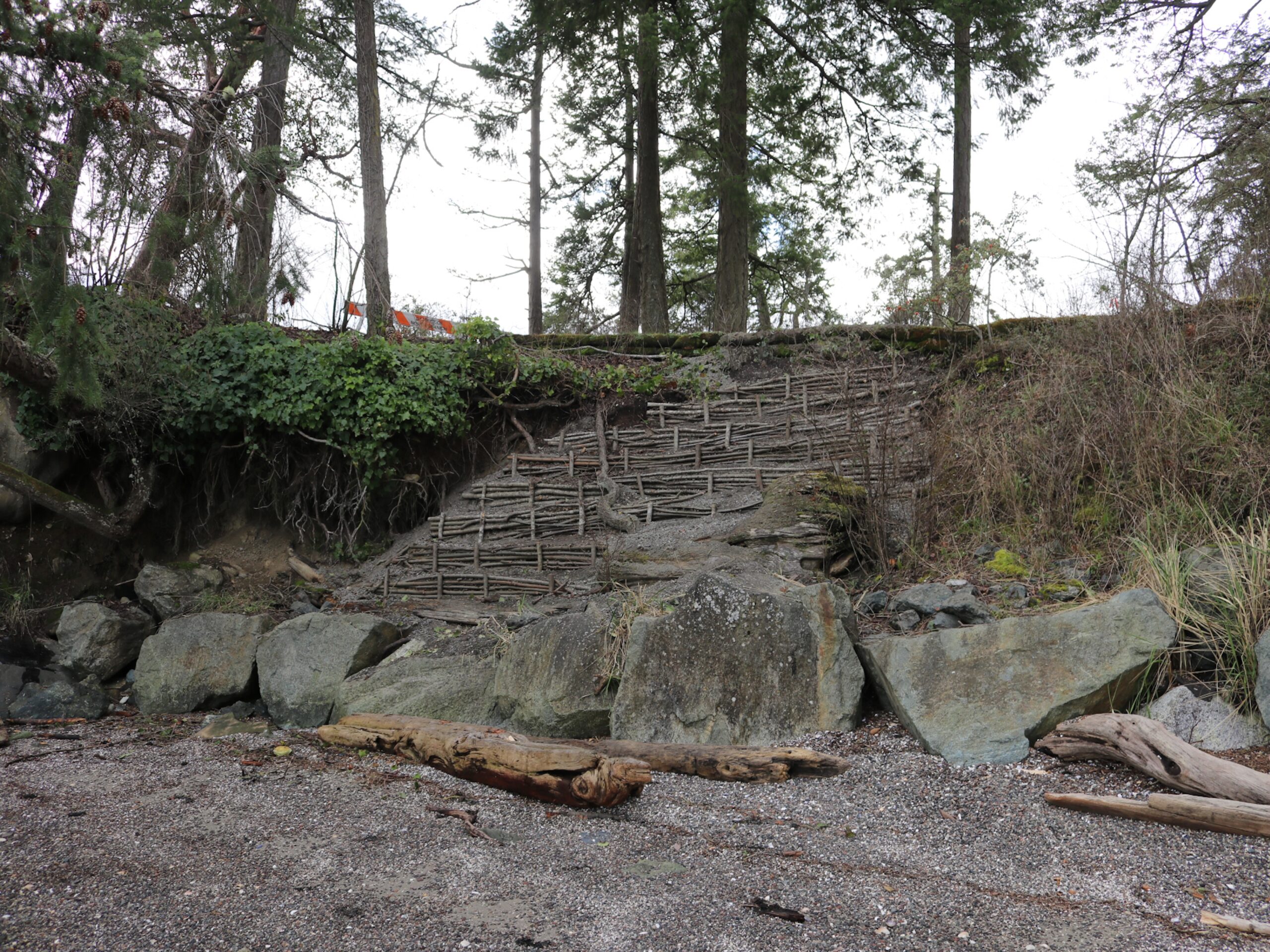
To protect exposed cultural midden deposits and reduce backshore erosion, nature-based stabilization treatments were installed using live willow wattle fencing, pinned retaining logs, nourishment material, and native coastal vegetation. Cultural monitors from Tsawout First Nation and the W̱SÁNEĆ Leadership Council were present throughout active works alongside Stantec, helping guide project decisions and ensure that cultural values were upheld at this highly sensitive site.
Invasive species including blackberry, English ivy, and spurge laurel were cut back and managed using a cover-and-cap approach that avoided extensive ground disturbance. Cardboard, sand, soil, and mulch were placed over treated areas before they were replanted with native trees, shrubs, groundcovers, dune grasses, and a marine riparian cultural seed mix to provide shade, increase biodiversity, and improve erosion resistance. In total, approximately 2,000 m² of invasive species management was completed, and approximately 2,250 m² of native planting area was restored.
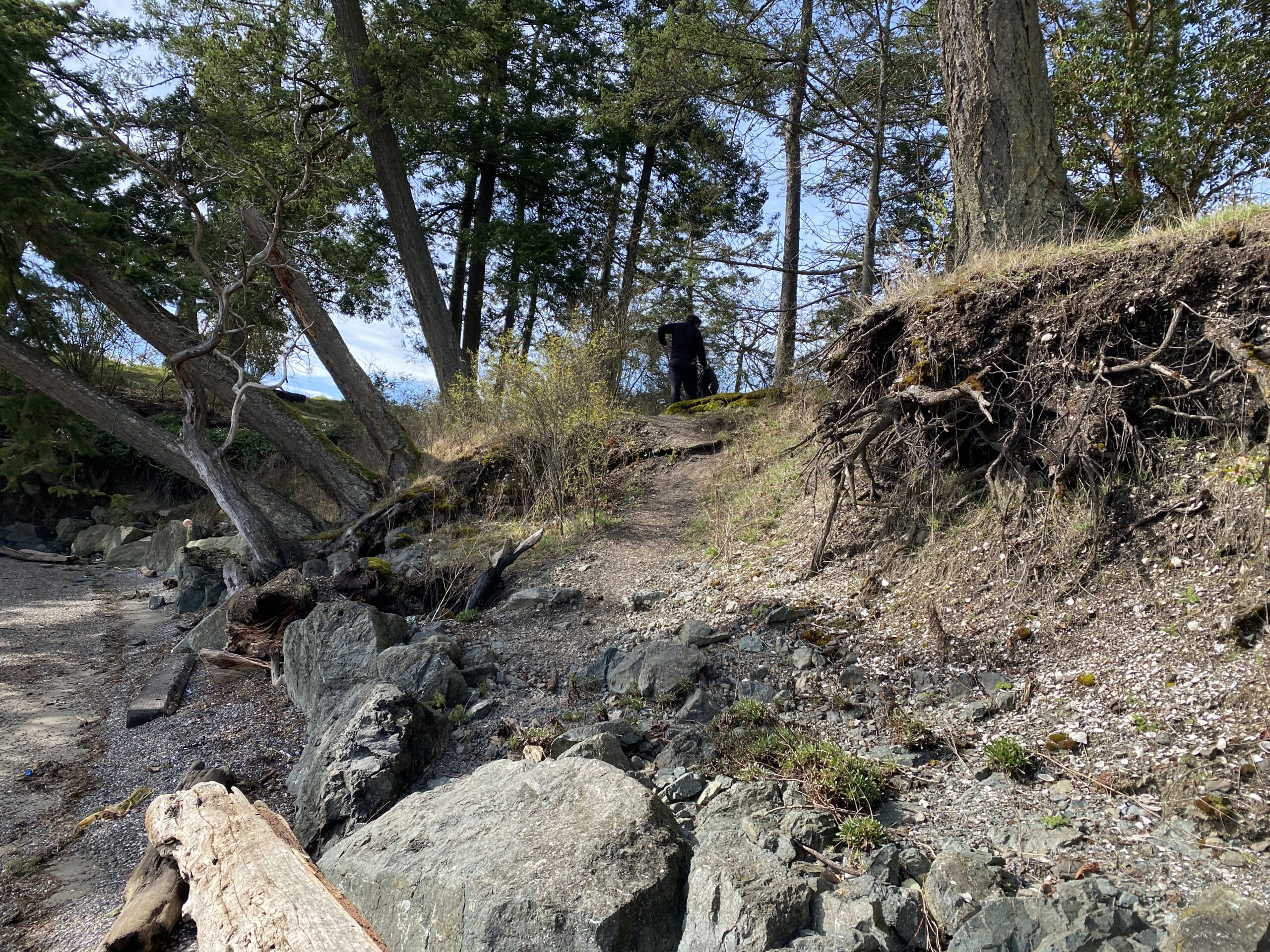
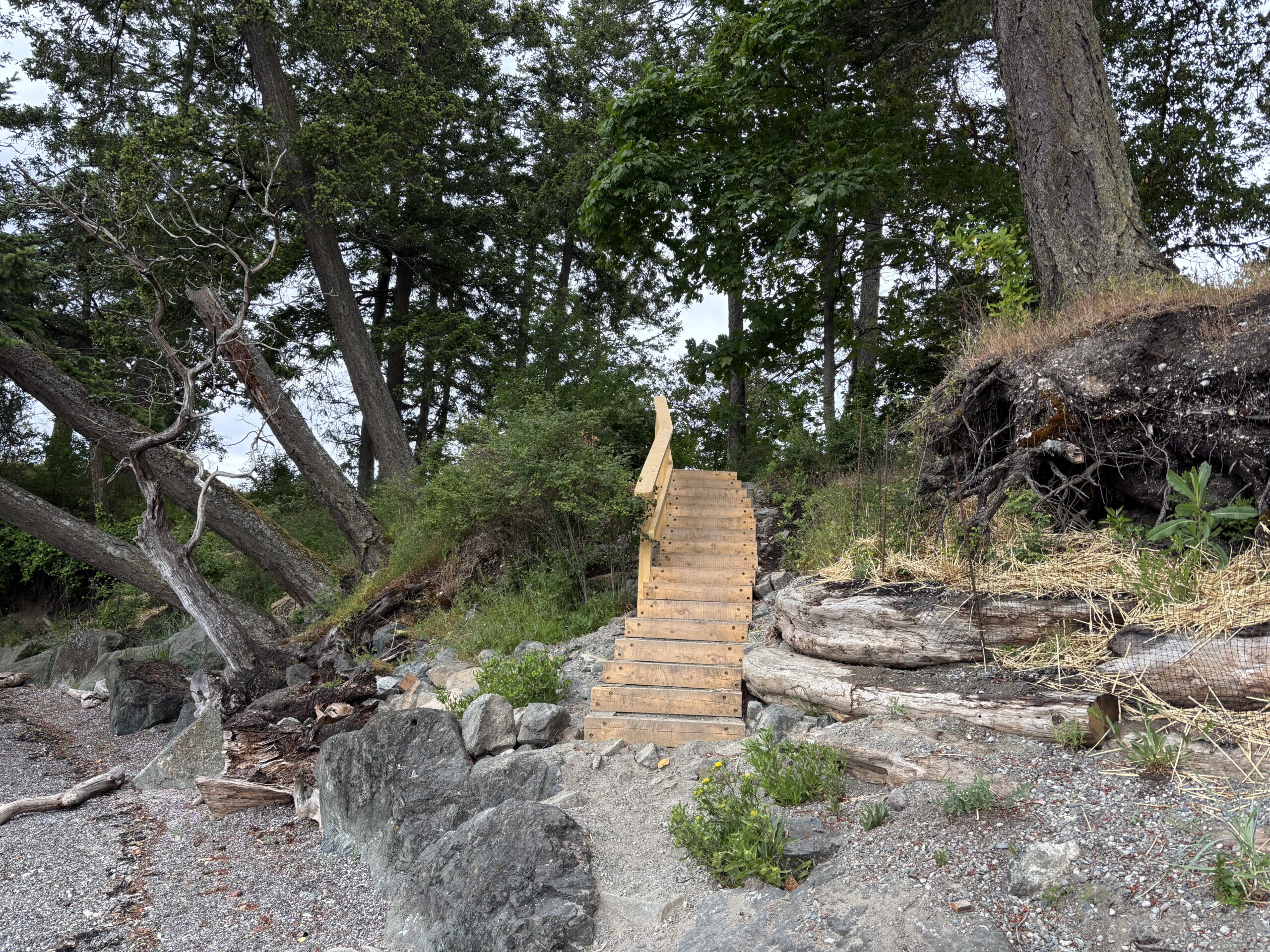
The project also improved shoreline access while reducing pressure on sensitive backshore areas. A new yellow cedar staircase and handrail were constructed to provide safer, formalized shoreline access while minimizing further damage to the backshore and midden. The pathway along the top of the bank was realigned approximately 1.5 metres inland to reduce erosion, and the former pathway footprint was capped with soil and replanted with native vegetation. Modifications were also made to an overhanging tree by certified arborists to reduce safety risks while retaining habitat value.
Irrigation, deer fencing, and pedestrian protection have been temporarily installed to support the establishment of the restored planting areas.
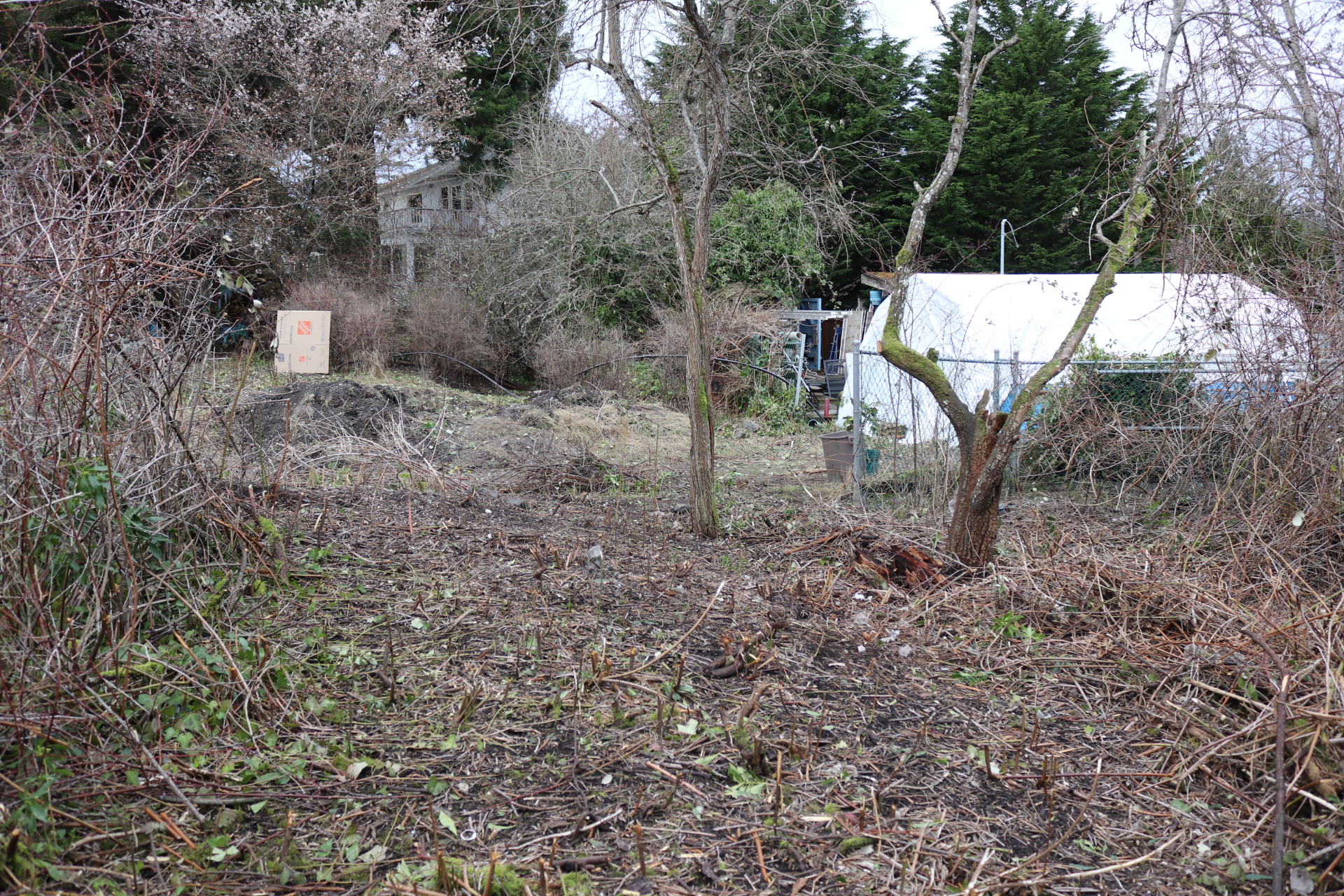
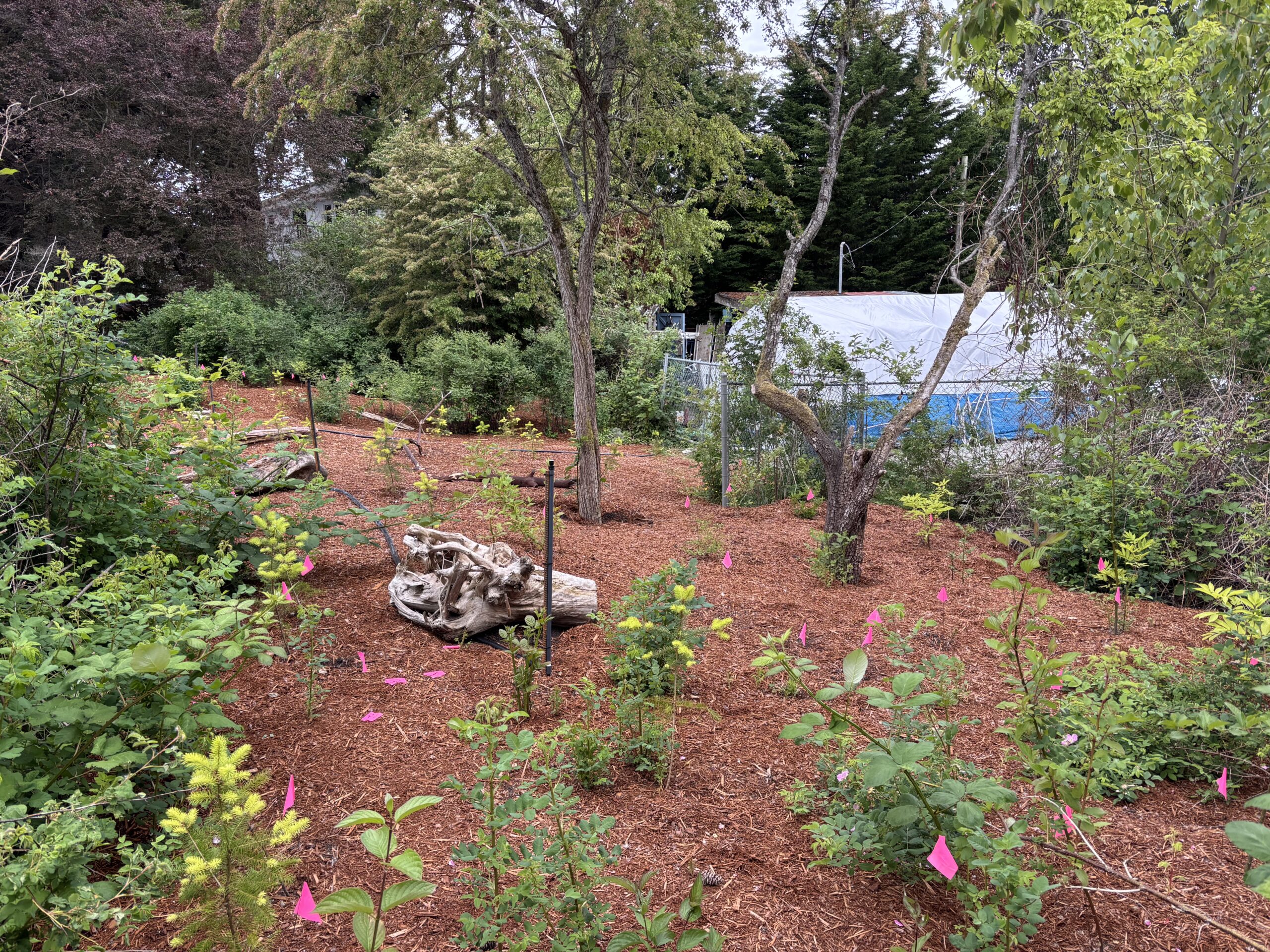
Long-term monitoring and adaptive management will continue to assess forage fish spawning, sediment retention, vegetation establishment, invasive species regrowth, shoreline stability, and wildlife use. Ongoing watering, invasive species management, beach cleanups, and site inspections will help guide any additional maintenance or restoration treatments that may be required.
By combining Indigenous cultural oversight, community participation, technical expertise, and nature-based shoreline treatments, the completed Nymph Point Park Shoreline Restoration Project demonstrated a collaborative approach to protecting biodiversity, respecting cultural values, and improving shoreline resilience in Tsehum Harbour.
Learn More
News
Videos